Installing a fence is an excellent way to enhance your property's privacy, security, and aesthetic appeal. However, before diving into such a project, it's important to understand what it will financially entail. Estimating the cost of a fence installation can be complex, as numerous factors affect the total expense. Understanding the scope of your project, the materials needed, and labor costs are crucial when planning a fence installation budget.
Consider the Size of the Area
First, consider the size of the area you plan to fence. Accurate measurements are vital as they directly impact your material and labor requirements. According to HomeLight, the average backyard perimeter typically ranges from 150 to 170 linear feet, whereas front yards generally have a smaller footprint. With fence materials costing anywhere from $2 to $90 per linear foot, the size of your yard will significantly influence the overall cost. To begin, measure the perimeter of your yard to calculate how many linear feet of fencing you'll need.
Consider the Material
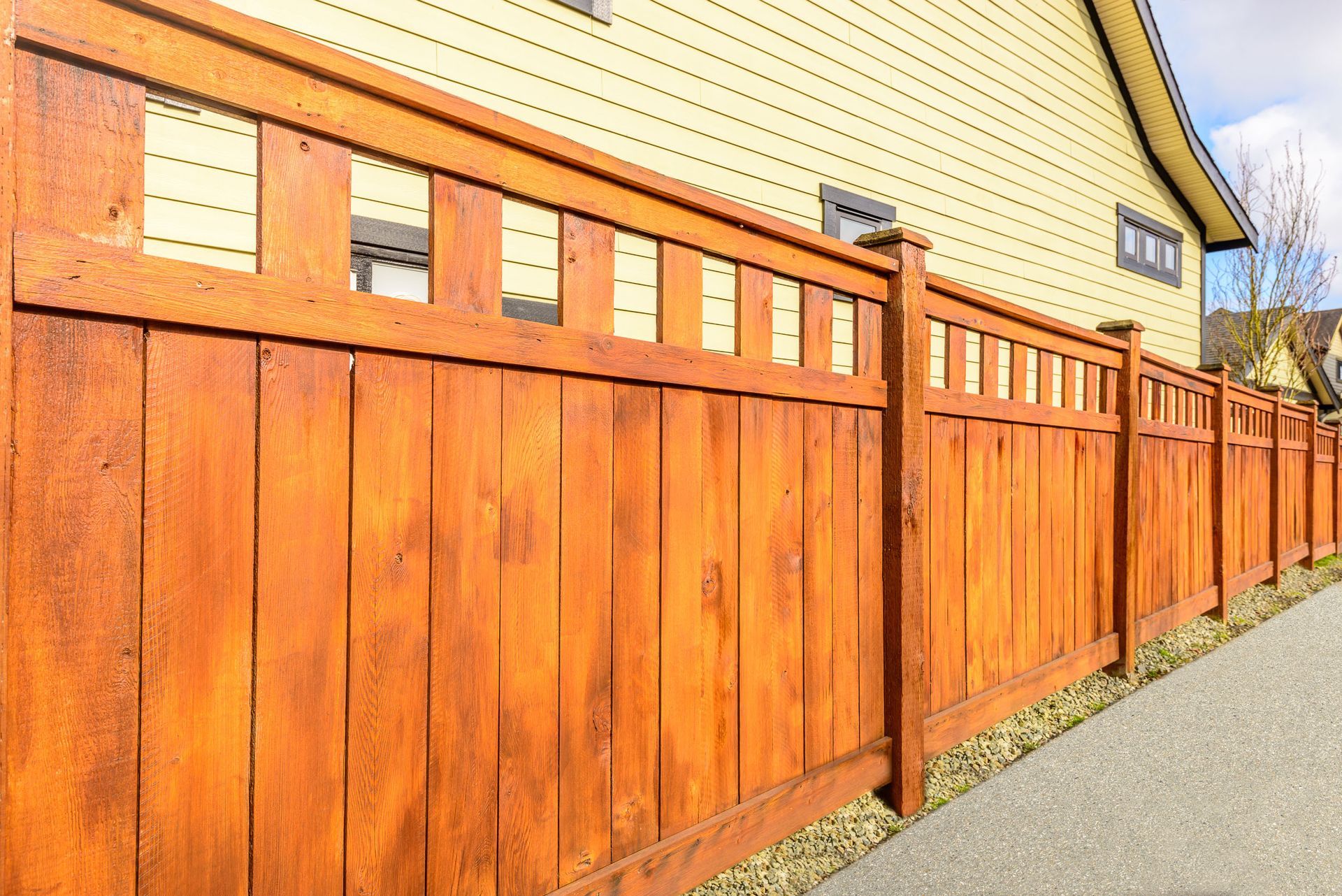
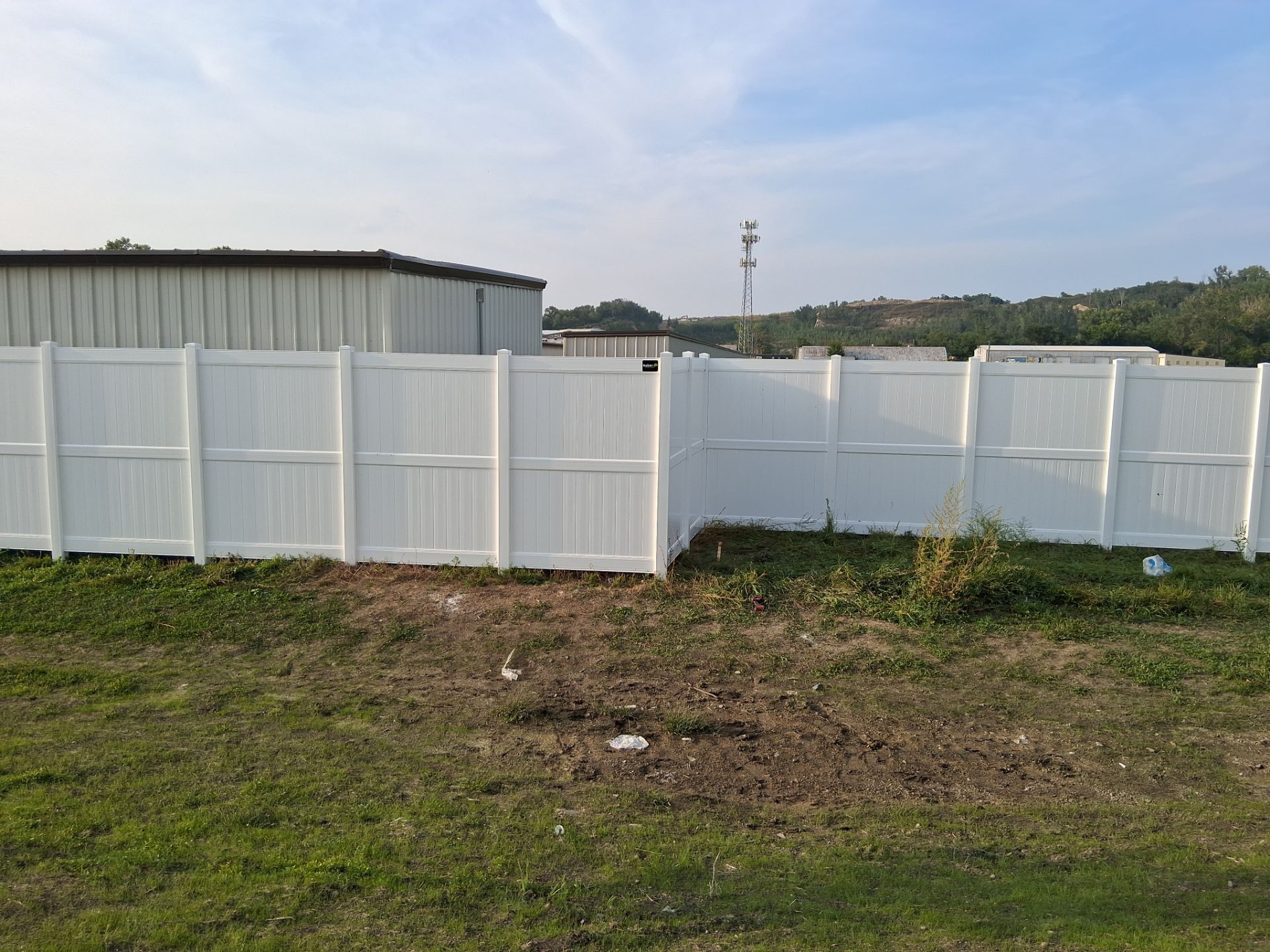
The choice of material is another critical factor in determining the cost of a fence installation. Materials such as wood, vinyl, and chain link each have different price ranges and respective benefits. For instance, wood offers a classic look and natural feel, whereas vinyl provides durability and low maintenance. Choosing a material that balances your budget and desired aesthetic is essential. From economical chain link at around $2 per linear foot to premium options like wrought iron or intricate custom designs that can cost up to $90 per linear foot, the selection of materials can largely drive the total cost.
Consider Labor Expenses
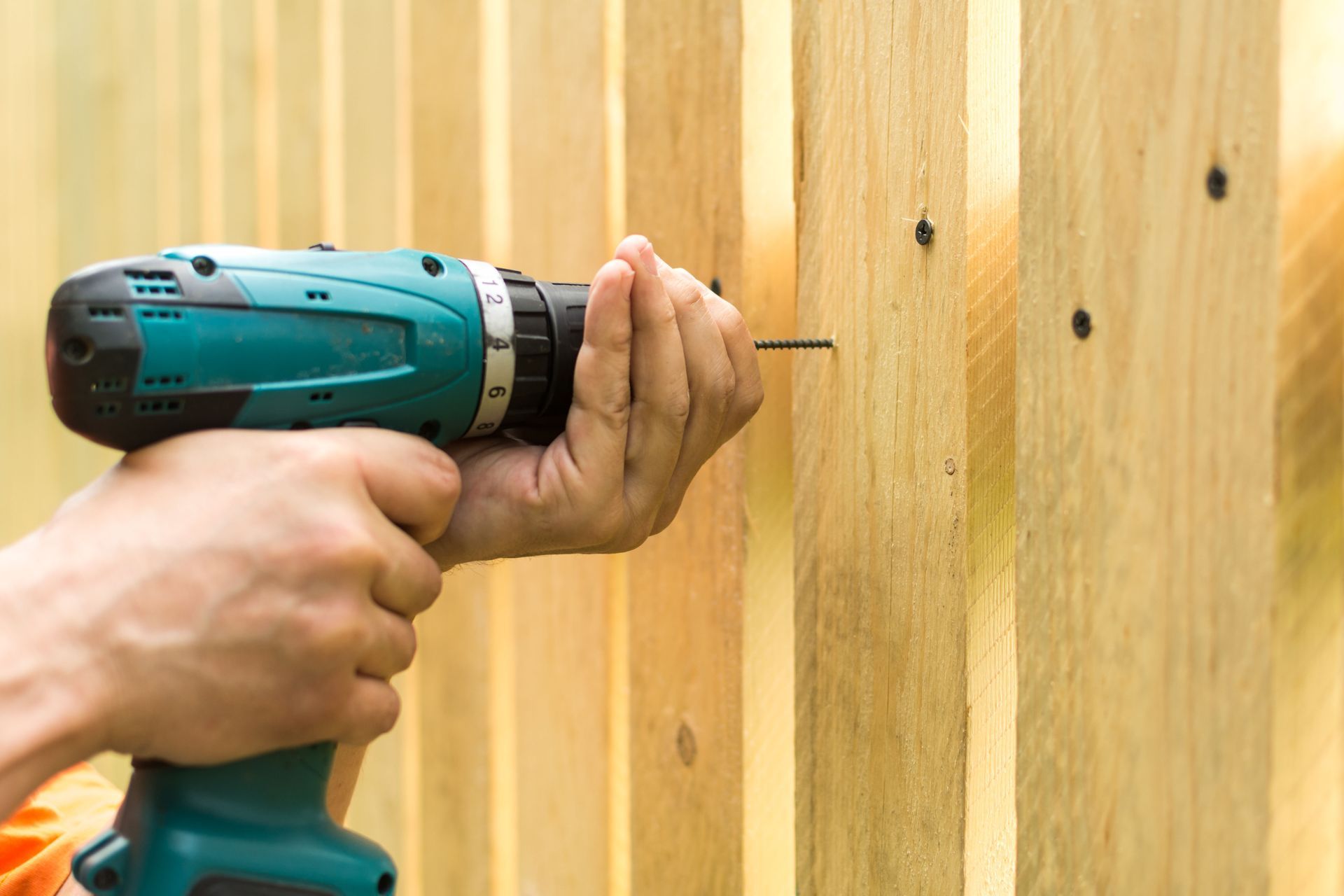
Lastly, labor expenses and potential additional costs must be factored into your budget. If you're hiring professionals for the installation, labor fees can be significant, depending on the complexity of the job and your local market rates. Additional expenses to consider include permits, property line assessments, and landscaping adjustments. To avoid unpleasant surprises, inquire about these potential costs upfront and ensure they are transparently included in contractor estimates.
Accurately estimating the cost of a
fence installation involves careful planning and consideration of several factors. By measuring your yard, selecting the right materials, and accounting for labor and additional fees, you can determine a realistic budget for your project. Proper estimation not only helps prevent financial surprises but also ensures that your new fence meets your needs and complements your property. Getting a few quotes and thoroughly understanding the scope will empower you to make an informed decision. If you're looking for a new fence, contact Huber Fencing today.