June 22, 2026
When selecting a fence, homeowners face a critical choice between wood and vinyl. Each material boasts unique benefits and drawbacks that cater to specific needs and preferences. In this article, we will explore factors including aesthetics, durability, maintenance needs, costs, environmental impact, and regional considerations. Partnering with a professional local fence company ensures that your chosen material is installed with precision according to local zoning laws and climate demands. Understanding these differences is key to making a choice that harmonizes with your landscape, budget, and commitment to upkeep.
Aesthetics and Style Options
Wood Material Aesthetics
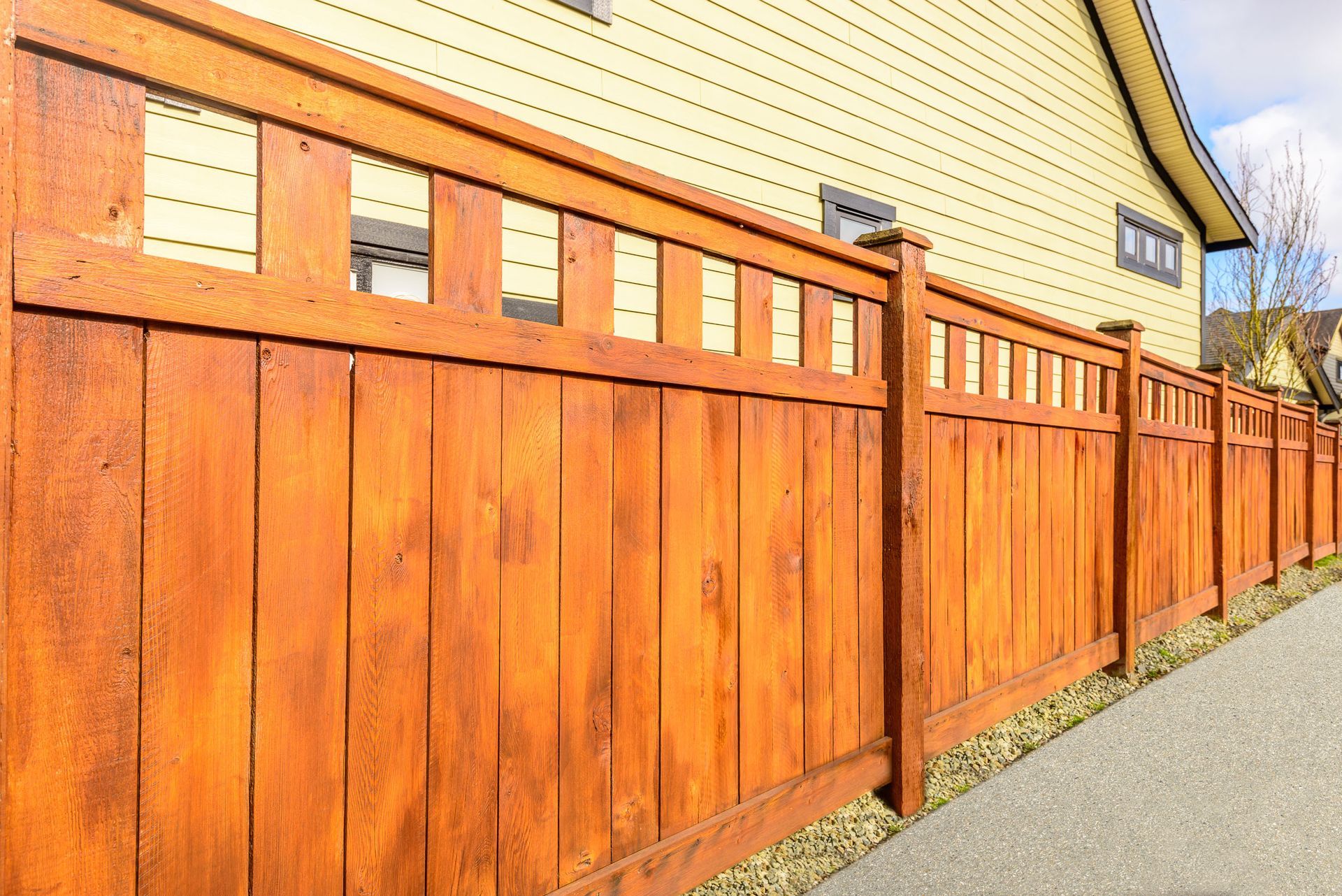
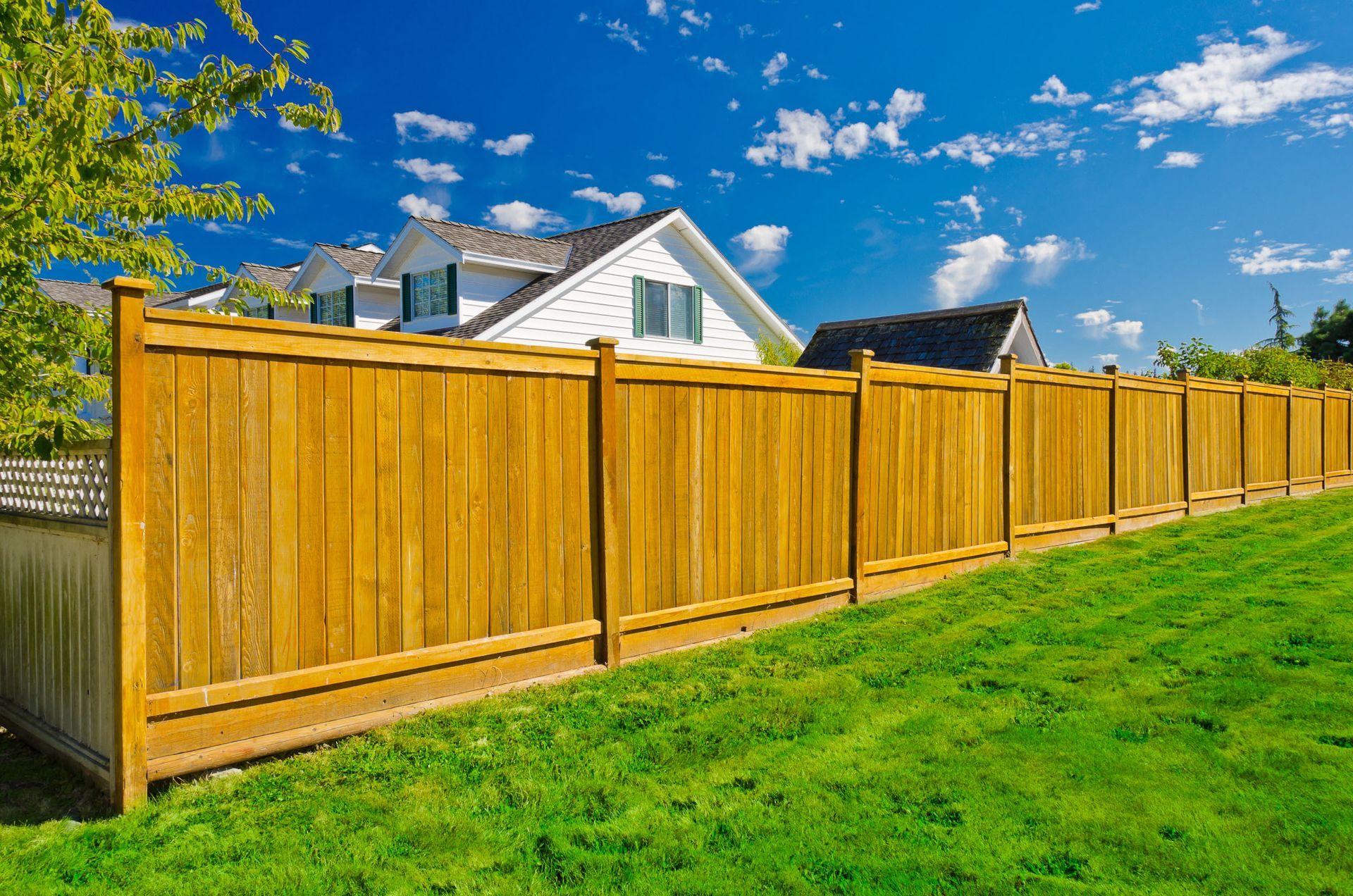
Wood fences offer a timeless, classic appeal that has long been the staple of Western homes. Their natural look and feel blend seamlessly with most landscapes, providing an organic aesthetic that complements gardens, backyards, and rural settings. This traditional charm is further enhanced by wood’s ability to be crafted into a variety of styles, such as picket, post-and-rail, and privacy fences. While wood’s classic facade is largely unmatched, it requires regular maintenance to keep its aesthetic longevity. Ultimately, wood’s versatility and natural beauty make it an enduring choice for many homeowners looking for authenticity.
Vinyl Material Aesthetics
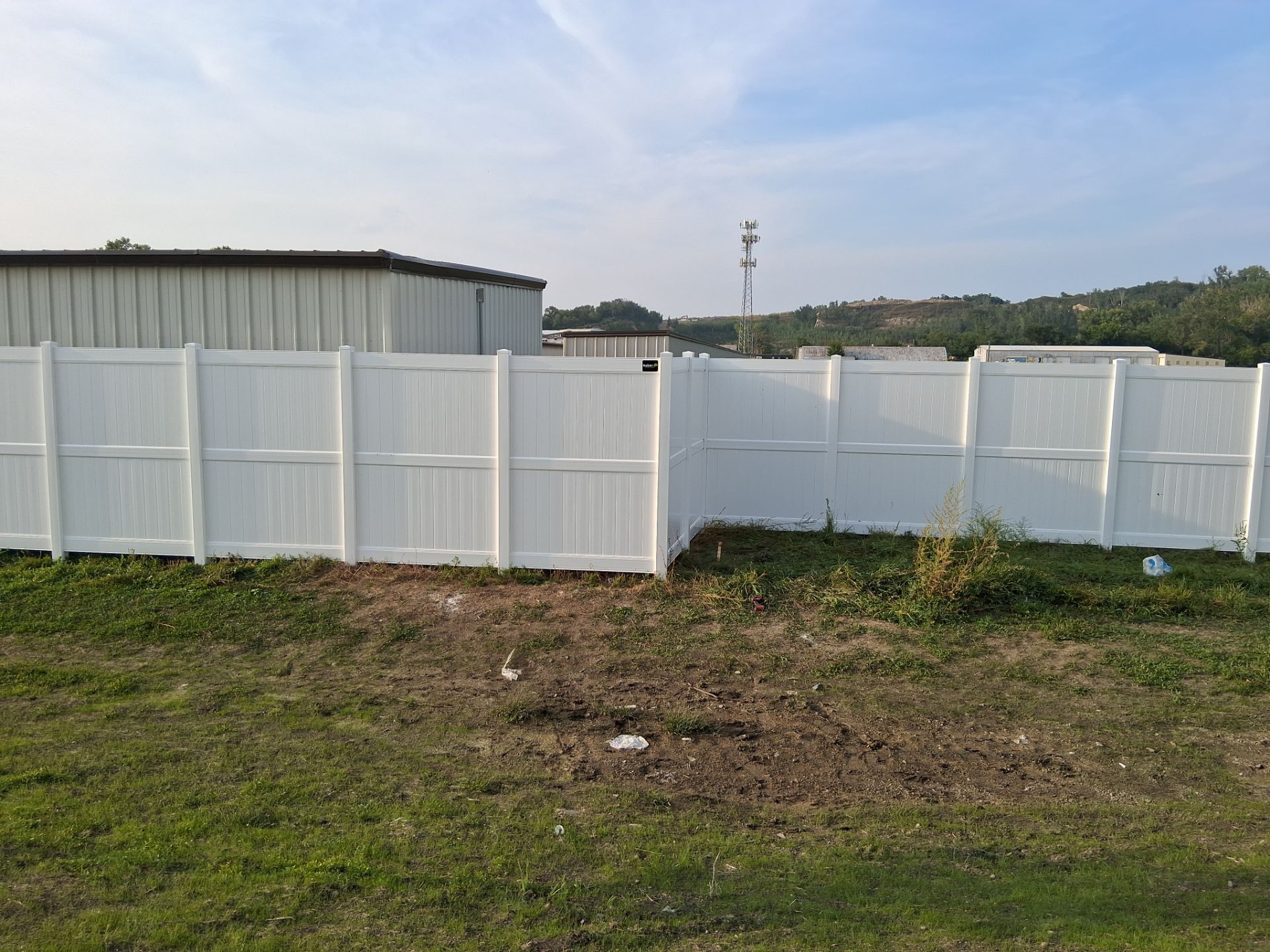
In contrast, vinyl fences bring modern versatility to homes with an array of styles that mimic the appearance of wood but come in a wider spectrum of colors and finishes. The manufacturing process for vinyl offers a wide range of ornate designs and shapes that are not easily achievable with traditional wood. Additionally, vinyl's synthetic composition allows it to maintain its appearance over time without fading or staining, enhancing its long-term appeal. Compared to wood, vinyl offers homeowners more flexibility in design for contemporary homes or urban settings.
Customization Opportunities
Both wood and vinyl offer customization options, but the extent and ease vary. Wood can be easily cut and shaped on-site, allowing a specialized local fence company to build highly personalized designs tailored to specific desires and architectural styles. Conversely, vinyl offers pre-manufactured panels that can be arranged in a variety of ways, often with less work but also with constraints on complete customization. Wood allows for staining and painting to achieve specific shades, whereas vinyl’s color options are limited to what the manufacturer provides. Each material offers unique customization opportunities, allowing homeowners to personalize their borders according to their artistic visions and practical needs.
Durability and Longevity
Weather Resistance
When it comes to weather resistance, vinyl typically has the upper hand due to its synthetic composition. Vinyl is engineered to withstand harsh weather conditions, such as intense UV rays and heavy rainfall, without warping or splintering over time. In contrast, wood fences require treatment to cope with these elemental challenges, and even then, they can rot, fade, and warp if not properly maintained. According to Better Homes and Gardens, a wood fence usually lasts 15–20 years, while vinyl fences often last longer due to their greater durability. Consulting a certified local fence company can help you evaluate which material handles your region's unique climate patterns best.
Structural Integrity Over Time
Structurally, both wood and vinyl have their strengths, but sustainability over time becomes a matter of maintenance. Wood's natural fibers make it susceptible to expansion and contraction with changing temperatures, which can lead to structural weaknesses if not addressed regularly. Furthermore, physical impacts, such as a fallen tree branch, could cause more damage to wood than to vinyl. Vinyl, on the other hand, is molded to endure exposures without changing shape or structure significantly.
Pest and Rot Resistance
A significant difference between wood and vinyl is their vulnerability to pests and rot. Wood, being an organic material, is inherently susceptible to termites and other wood-boring insects, requiring chemical treatments for protection. Without these treatments, infestations can compromise the fence’s integrity. Conversely, vinyl is impervious to pests, offering a worry-free option that does not need additional toxic treatments. Additionally, vinyl's resistance to rot makes it a suitable choice for damp and humid environments where wood might quickly degrade.
Maintenance Requirements
Routine Cleaning and Upkeep
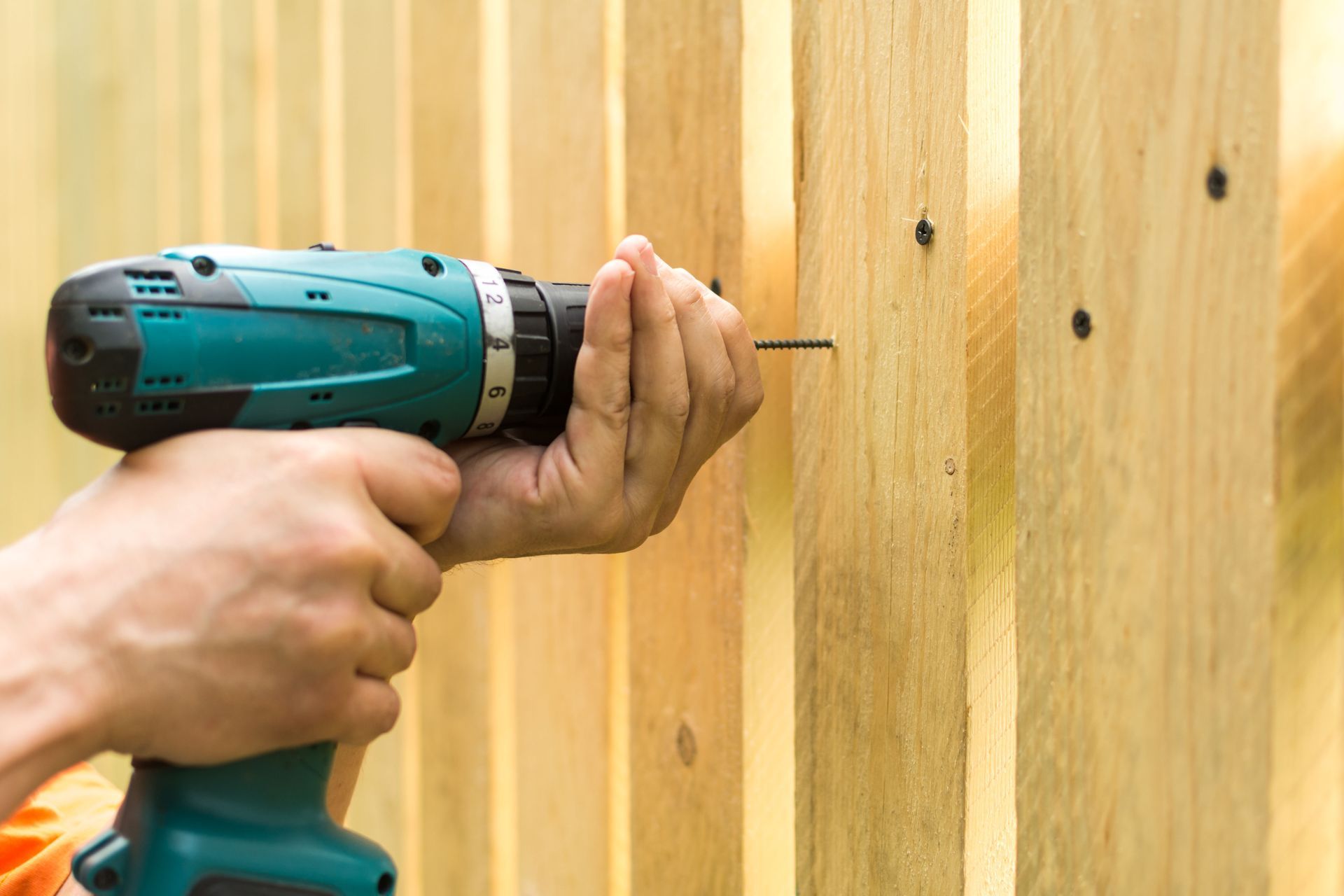
One of the main considerations between wood and vinyl is the level of maintenance each requires. Wood fences demand regular staining, painting, or sealing to protect them from environmental elements and to preserve their appearance. Cleaning involves power washing or scrubbing to remove mildew and dirt build-up. On the other hand, vinyl fences require simple cleaning with soap and water to maintain their vibrant appearance without additional treatments. Many homeowners turn to a trustworthy local fence company to establish a seasonal maintenance plan for their wood installations. While wood offers unique aesthetics, vinyl minimizes time and resources spent on upkeep.
Repairs and Replacements
Repairing wood fences involves patching or replacing damaged sections, which can be labor-intensive and costly if damage is widespread. Small repairs may require swapping a few boards, while significant damage might need a section rebuild. Vinyl repairs are straightforward, as damaged panels or sections are replaced without affecting other parts of the fence. Moreover, given vinyl's durability, it generally requires fewer repairs, reducing structural costs over time. When it comes to managing long-term structural repairs, contracting a qualified local fence company guarantees that the structural alignment of the entire perimeter remains intact.
Pest and Rot Resistance
The need for protective treatments is another critical factor in caring for wood fences. To combat moisture-related decay, pests, and UV damage, wood must be periodically treated with sealers, paints, or stains. These treatments create a barrier against water infiltration and prolong the lifespan and appearance of the fence. Neglecting this can accelerate degradation, leading to costly repairs or replacements. Vinyl does not require such treatments, freeing homeowners from the cycle of periodic maintenance. The need for protective treatments might make wood appealing to those who appreciate natural beauty and are willing to invest in its care.
Cost Analysis
Initial Installation Expenses
Initial installation costs significantly impact the choice between wood and vinyl fencing. Generally, wood is less expensive to install upfront due to its lower material and labor costs. The ease of working with wood contributes to these reduced initial expenses. In contrast, the upfront cost of vinyl can be higher due to the material and installation complexity. Enlisting an affordable local fence company can help navigate these initial costs by identifying manufacturing discounts or efficient design layouts.
Long-Term Financial Outlook
While wood may cost less initially, it tends to become more expensive over time due to ongoing maintenance and potential repairs. Regular staining and treatment add to the cumulative cost, affecting long-term budgeting. Vinyl, albeit initially more expensive, offers savings through minimal maintenance requirements, rendering it a cost-effective choice in the long run. Homeowners must weigh these long-term financial implications against their upfront budget constraints. Completing a cost analysis with attention to future expenses can better inform the decision-making process.
Warranty and Insurance Provisions
When considering warranties, vinyl often provides more comprehensive and advantageous options compared to wood. Many vinyl manufacturers offer warranties that cover a range of defects, from fading to structural issues, for a specified period. These warranties, often covering decades, provide peace of mind and financial protection against potential damages. In contrast, wood warranties are usually limited, reflecting the material's susceptibility to various external factors. Requesting standard warranty breakdowns from your chosen local fence company will give you a clear understanding of what future repairs are fully covered.
The decision between wood and vinyl fencing involves careful consideration of various factors, including aesthetics, durability, cost, maintenance, environmental impact, and regional climate. Wood offers a classic appeal with opportunities for customization, but demands ongoing maintenance and environmental exposure assessments. Meanwhile, vinyl provides a durable, low-maintenance solution but involves higher upfront costs and specific disposal practices. By weighing these pros and cons, homeowners can make informed decisions that reflect their priorities in style, budget, and sustainability.
Secure your property and boost your home's curb appeal today by contacting Huber Fencing to schedule a free consultation with a premium local fence company.