November 24, 2026
A fence can change how a yard looks, feels, and functions. It may establish a clearer boundary, provide a comfortable place to gather, or help keep pets away from a busy street. The right design depends on what a household actually needs, not simply what looks appealing in a photograph. A decorative front-yard fence serves a different purpose from a solid enclosure around a backyard.
Before planning fence installation, consider how the space is used, what local rules allow, and how much maintenance the chosen material will require. These six benefits can help homeowners decide which features matter most while avoiding unrealistic expectations about security, resale value, or noise reduction.
1. Creating a More Defined Boundary
A fence offers a visible transition between a private yard and neighboring property or public space. That distinction can be useful near sidewalks, shared driveways, or areas where people routinely walk past the home. It also helps visitors recognize where to enter and guides deliveries toward a designated gate or pathway.
A continuous enclosure may discourage casual trespassing, but no residential fence can guarantee security. Height, visibility, gate hardware, and the surrounding landscape all affect how useful the barrier will be. Families with pets should pay particular attention to gaps under panels and spacing between pickets. A fence that contains a large dog may not safely contain a smaller animal.
Before fence installation, confirm the property boundaries rather than assuming that an old hedge or existing structure marks the legal line. Check permit rules, utility locations, and any neighborhood restrictions. These early steps reduce the chance of disputes or costly changes once work begins.
2. Making Outdoor Spaces More Appealing
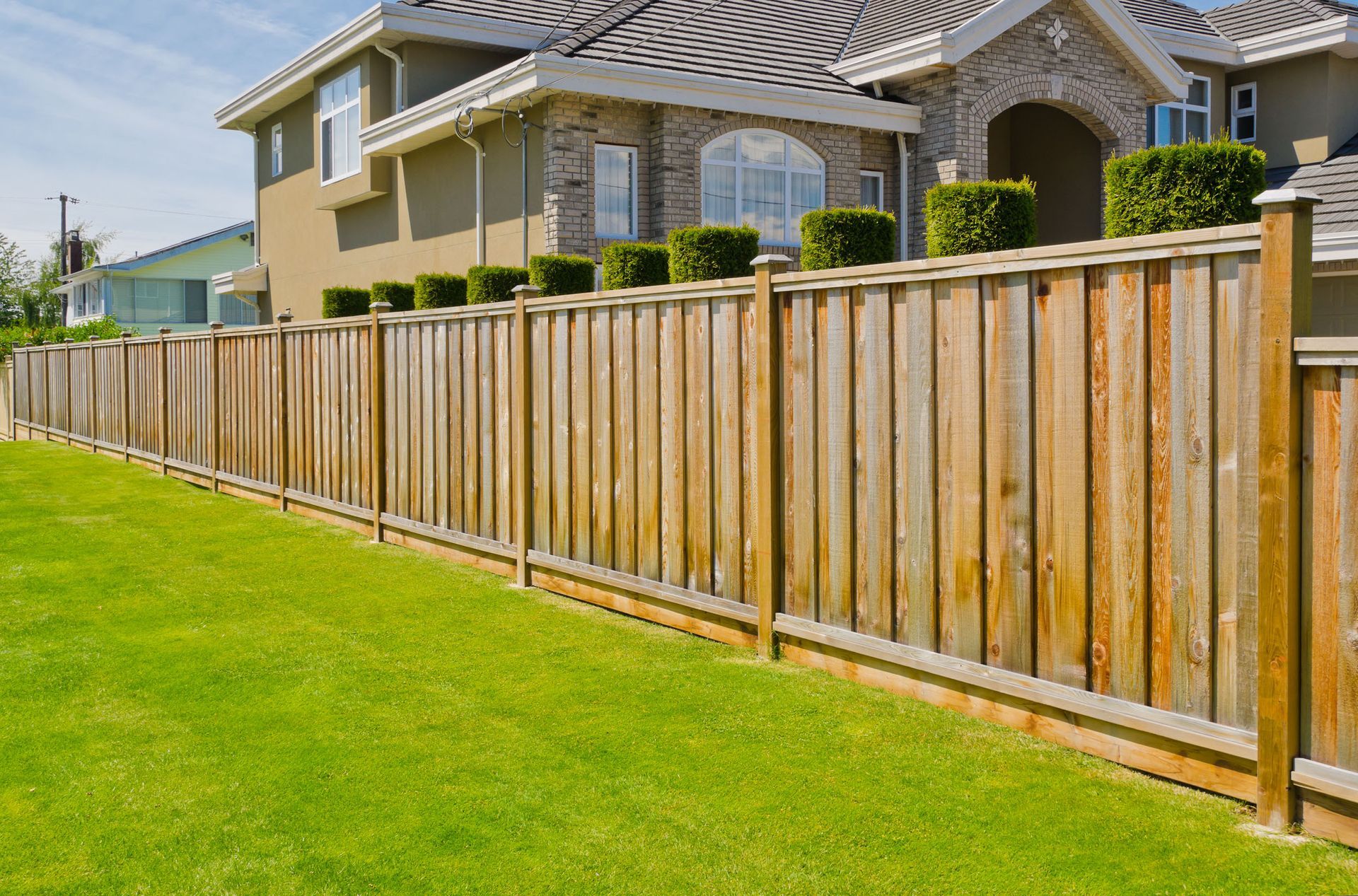
Fencing can frame a garden, create a finished look around a patio, or add contrast to a home's exterior. Simple horizontal lines often complement modern houses, while traditional pickets can suit cottages and established neighborhoods. Materials, colors, and heights should work with the architecture rather than competing with it. Consider how plants will mature beside the structure, too. Leave enough space for trimming and repairs so shrubs do not trap moisture against wooden boards or make a gate difficult to open.
According to Grand View Research, picket fences held the largest revenue share of the global wood fencing market in 2024, accounting for 40%. That market figure reflects purchasing patterns, not a guarantee that pickets are the right design for every property. Open picket fencing offers an inviting appearance, while closely spaced boards may better serve homeowners who want visual screening.
Thoughtful fence installation can improve the impression a property makes, particularly when the design fits surrounding landscaping. However, an attractive fence does not automatically raise an appraisal or ensure a higher sale price. Buyers differ in their preferences, and condition matters. Straight posts, secure gates, and well-maintained surfaces are often more appealing than an elaborate design that needs immediate repairs.
3. Providing a More Comfortable Place to Gather
Outdoor gatherings feel different when a seating area has a clear edge. Fencing can separate a patio from a driveway, screen a garbage storage area, or give a backyard a more intentional layout. That sense of definition helps people use the space for meals, gardening, or everyday relaxation without needing to change the house itself.
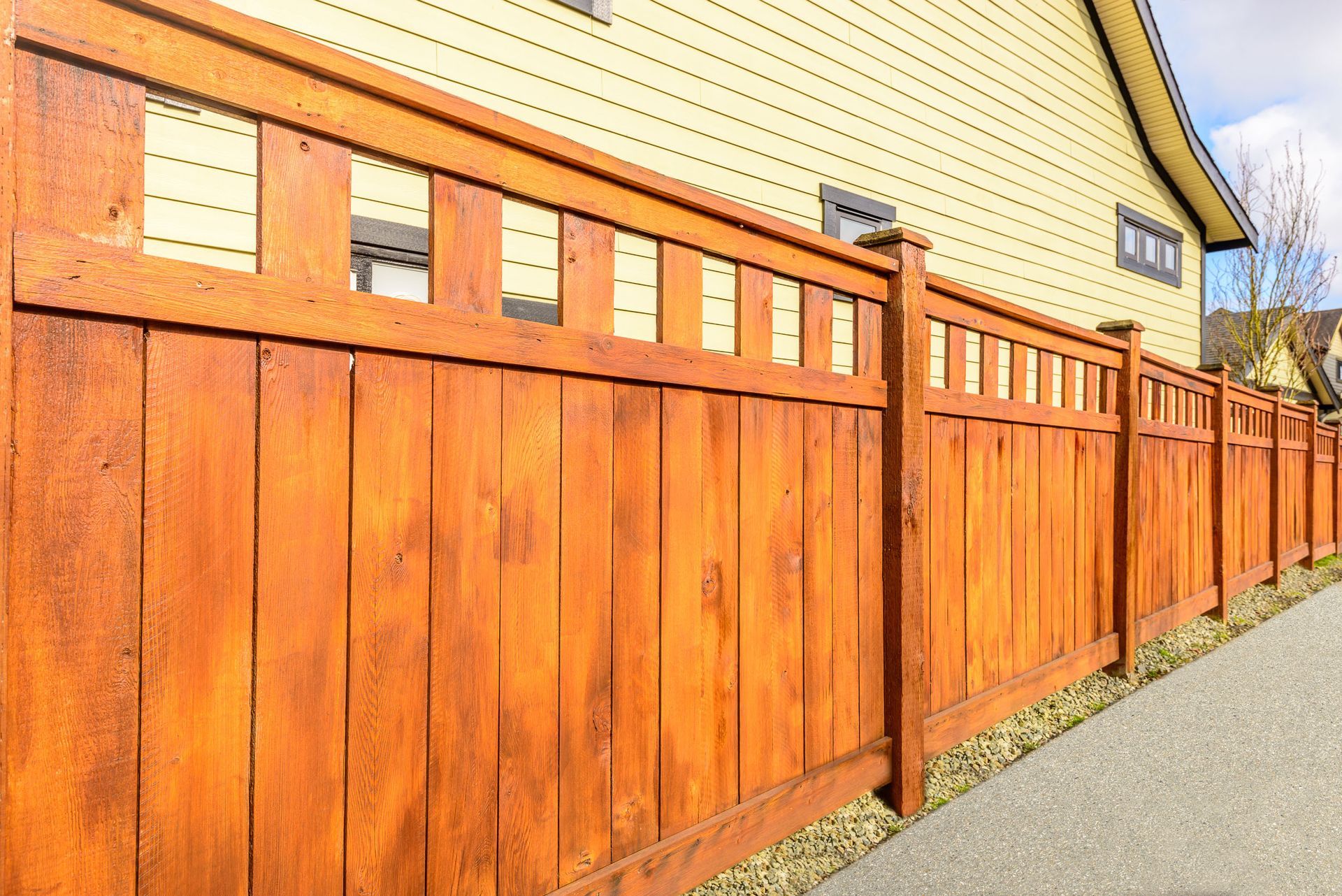
A solid privacy fence can limit direct sightlines from neighboring windows or the street, although its effectiveness depends on height, terrain, and nearby buildings. People seated on an elevated deck may still be visible above the fence. Homeowners may achieve better results by pairing carefully placed panels with shrubs or other landscaping.
When planning fence installation, look at the yard from the places where people will actually sit or stand. Consider sunlight, airflow, and gates for accessibility. A comfortable outdoor area should be easy to navigate, including for household members or guests using mobility aids. The best layout offers privacy without making the yard feel unnecessarily closed in.
4. Helping Manage Some Everyday Noise
Traffic, nearby conversations, and outdoor equipment can affect how enjoyable a patio feels. A substantial, continuous barrier may reduce some sound traveling directly toward a seating area, especially when placed appropriately between the source and the listener. Results vary considerably with the fence's height, construction, and surroundings.
An open picket or chain-link fence provides little meaningful noise reduction because sound passes through its gaps. Even solid wooden boards cannot eliminate road noise, low-frequency sound, or noise traveling over the top. For substantial sound-control needs, a specialist may recommend a purpose-built acoustic barrier rather than a standard residential fence.
Discuss noise expectations before fence installation instead of relying on promises that any solid panel will create silence. If the primary concern is comfort, landscaping, patio placement, and the location of gathering areas may help alongside fencing. Choosing realistic goals makes it easier to appreciate the improvements a well-designed boundary can deliver.
5. Supporting Safer Everyday Routines
An enclosed yard can make supervising outdoor activities more manageable by creating a defined area away from traffic and other potential hazards. Families may value having a gate between a play space and the street, while pet owners may appreciate a barrier that discourages animals from wandering. These benefits depend on proper dimensions and ongoing maintenance.
Select latches and gates with their intended users in mind. A gate that drags or fails to latch can defeat the purpose of an otherwise sturdy fence. Around swimming pools, safety requirements are particularly specific; the location may call for minimum heights, restricted openings, and self-closing, self-latching gates. An ordinary decorative fence should never be assumed to meet pool-barrier rules.
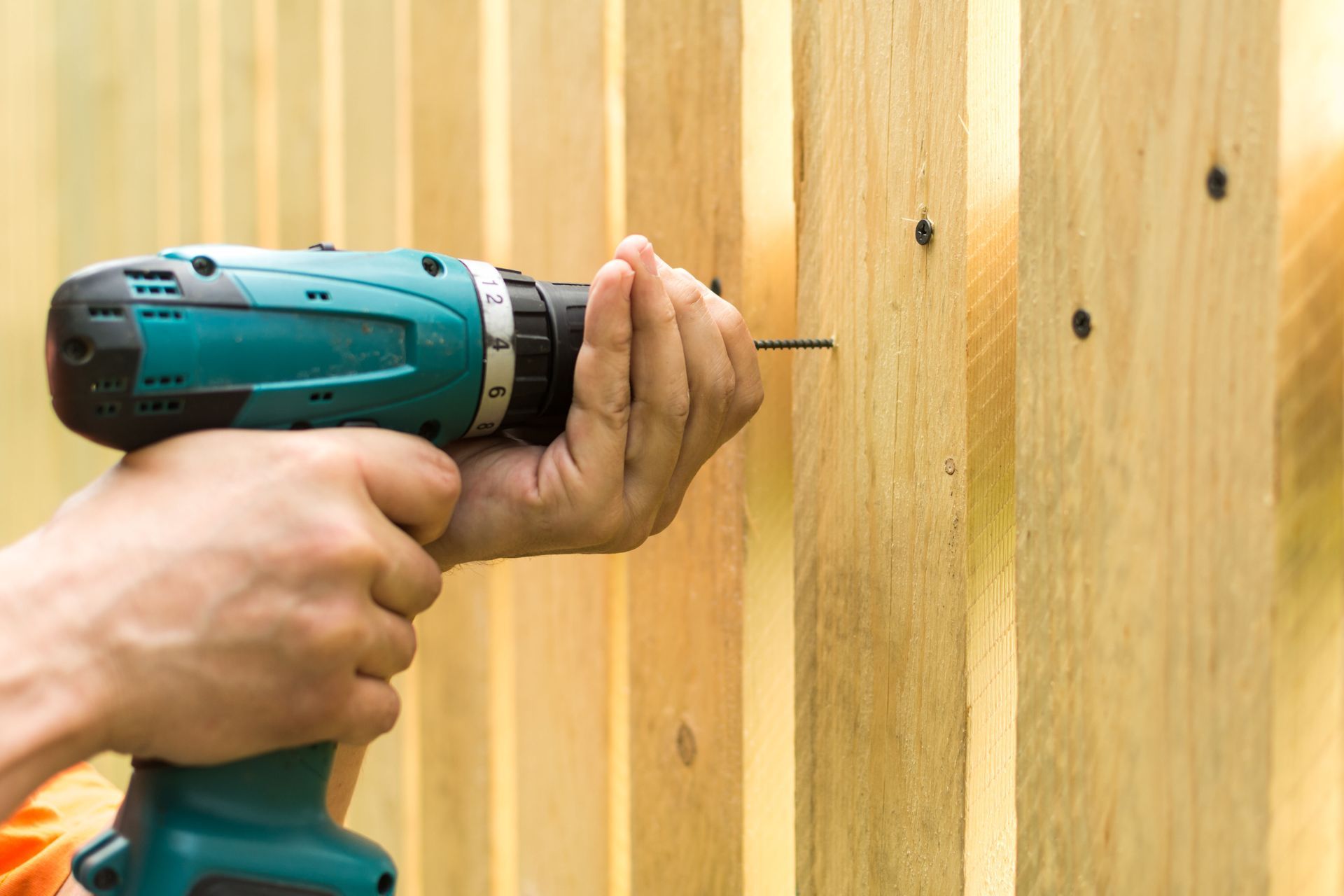
Professional fence installation can help homeowners think through site slopes, gate placement, and materials, but supervision remains important when children or pets are outside. Periodic checks for loose boards, damaged hinges, and gaps near the ground help keep the enclosure functioning as intended.
6. Choosing Materials That Fit Long-Term Goals
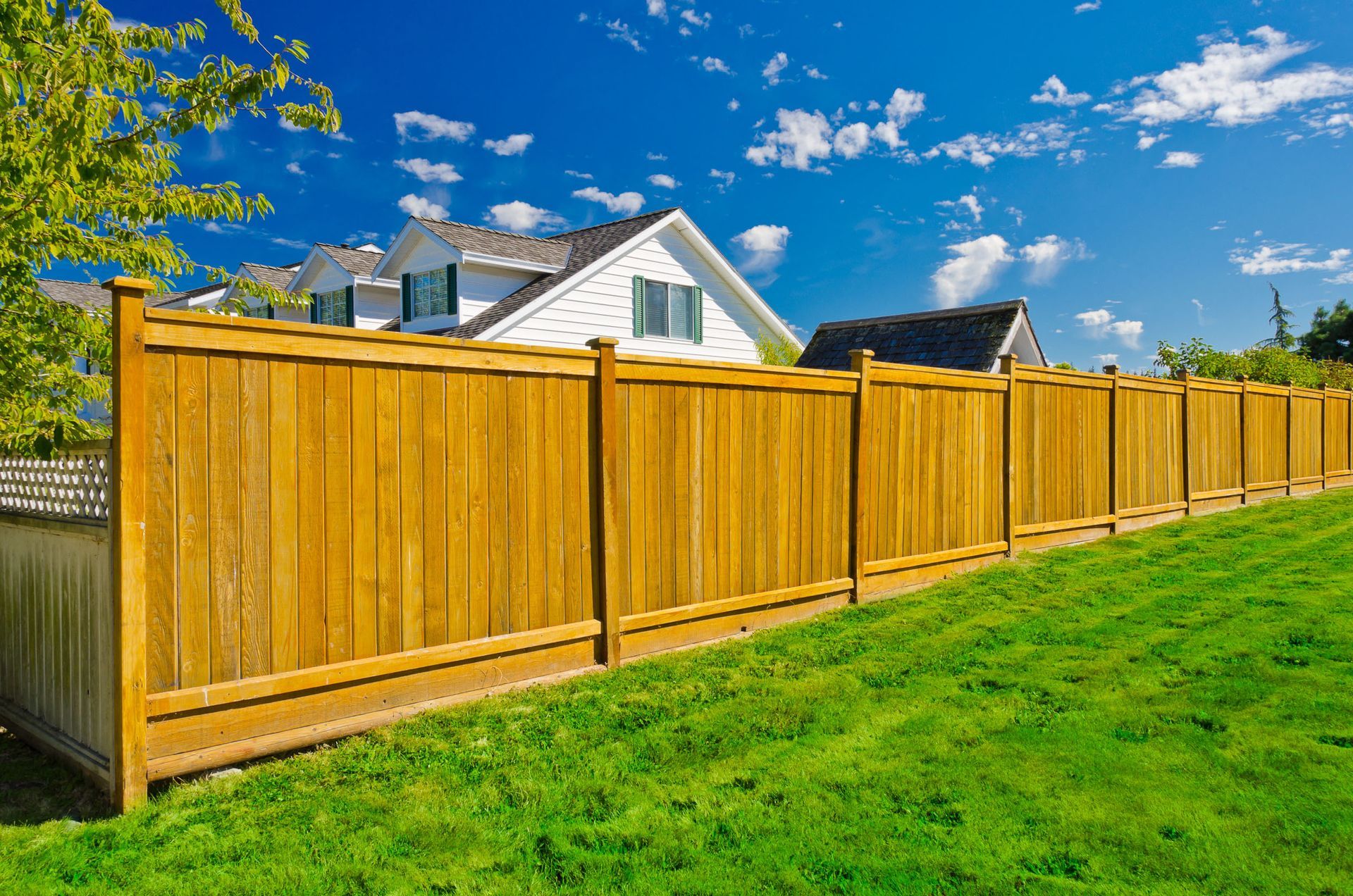
A fence is exposed to rain, sun, soil moisture, and changing temperatures. Wood offers a familiar natural appearance but may need cleaning, staining, or replacement of damaged boards. Vinyl and metal options have different upkeep needs, and their performance depends on product quality, climate, and installation details. There is no universally maintenance-free material.
Environmental considerations also deserve attention. Responsibly sourced wood, repairable components, and finishes selected for outdoor use may fit a household's priorities. However, material labels alone do not establish an option's total environmental impact. Durability, transportation, eventual disposal, and opportunities to repair sections rather than replace the entire structure all matter.
During fence installation, planning around tree roots, slopes, and drainage can help limit unnecessary disruption. A solid fence may change how wind moves through a garden, but it should not be treated as a substitute for erosion control. Understanding these trade-offs leads to a design that supports both the landscape and the people who enjoy it.
The most useful fence is one selected for a clear purpose and built with the property's conditions in mind. Measure the space, discuss design alternatives, review local requirements, and plan how gates and surfaces will be maintained. A practical approach can deliver lasting enjoyment without promising benefits that fencing alone cannot provide.
For help selecting materials, defining boundaries, and planning professional
fence installation, contact Huber Fencing. A conversation about your property's layout and daily needs is a useful first step toward an enclosure that fits your home.